A custom packaging insert is the structure inside a box or carton that holds the product in place, protects it and presents it when the box is opened. There are six common types: die cut board (paperboard or corrugated cardboard), die cut foam, biodegradable foam, thermoformed plastic, molded pulp and molded styrofoam. Die cut board is usually the least expensive and foam protects fragile products best, and both can be cut as a single prototype or a short run. The molded types need a mold, so they suit large runs only. Each type is shown below, with what it is good for and its relative cost.
When it comes to packaging your product, your carton or box is often only half the structure. Frequently, the supporting structure inside your carton is the last consideration given to packaging, but it is just as important as the box itself. If you are using a stock box, a custom printed stock box, or a completely custom box, the inserts can greatly add to your costs, so they should be accounted for at an early stage.
The use of inexpensive packing ‘filler’ materials are fine for online sales, but crumpled paper and bubble wrap will just not cut it for retail applications. Here are some examples of custom box inserts, and their relative costs.
Die Cut Board Inserts
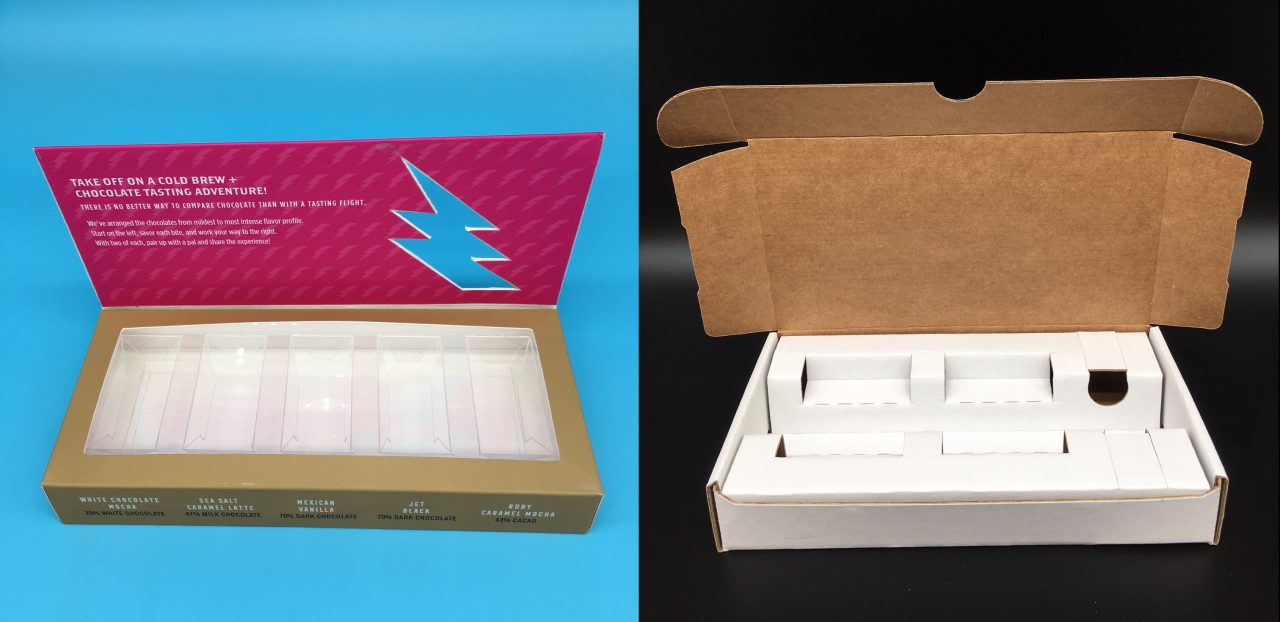
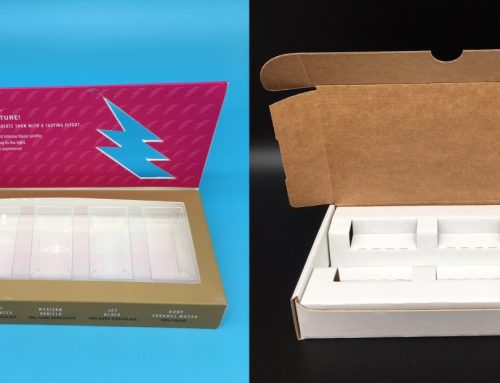
One of the least expensive types of insert is made from paperboard or other sheet materials. SBS board, corrugated board, acetate, and other sheet materials can be cut to any shape and are often cut in-line, from the same material as the package. By designing in folds, bends, and cut shapes, a functional insert can be made to securely support many products. This type of insert is cost effective for low, medium, and high runs. With thinner materials, the structure may not be suitable for all products, especially if their shape and weight lend them to being difficult to secure. As with all sheet material packaging, they will also need to be able to glued inline and lay flat during production. Tricky designs that need to be glued erected, would have to be glued by hand, raising the cost considerably.
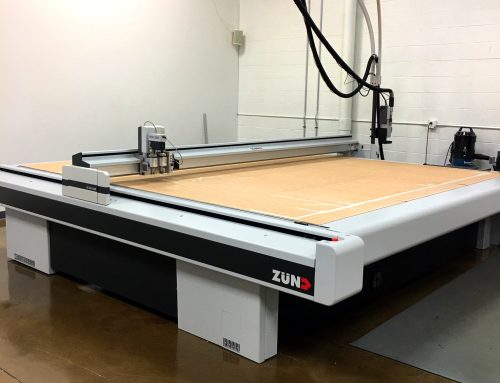
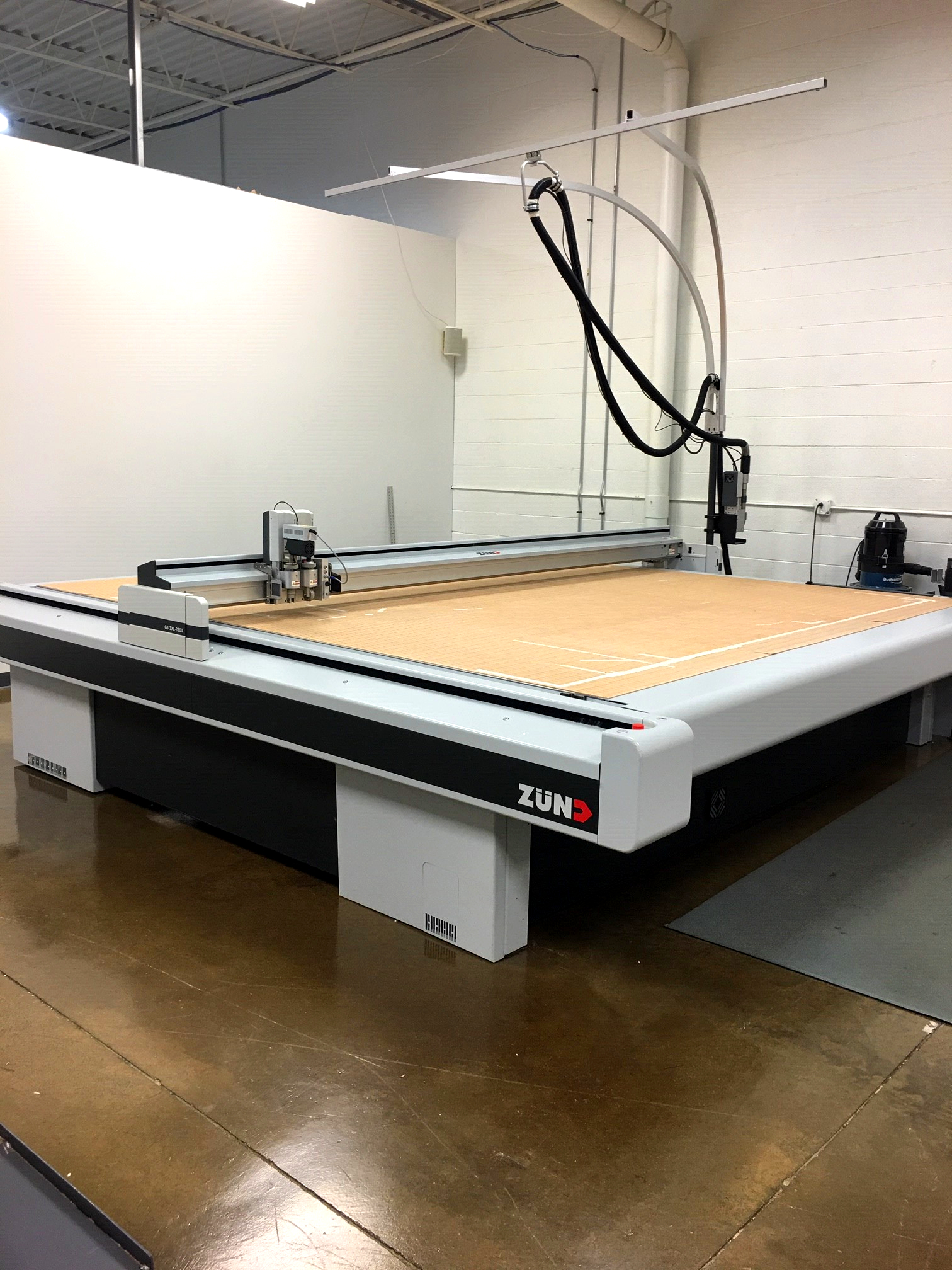
Corrugated and cardboard inserts belong to this group. Partitions, cradles and trays are cut from the same sheets as corrugated boxes and folding cartons, so the insert can be designed, printed and cut together with the package. For a prototype or a short run the parts are cut from the dieline by digital die cutting, which needs no die.
Die Cut Foam Inserts
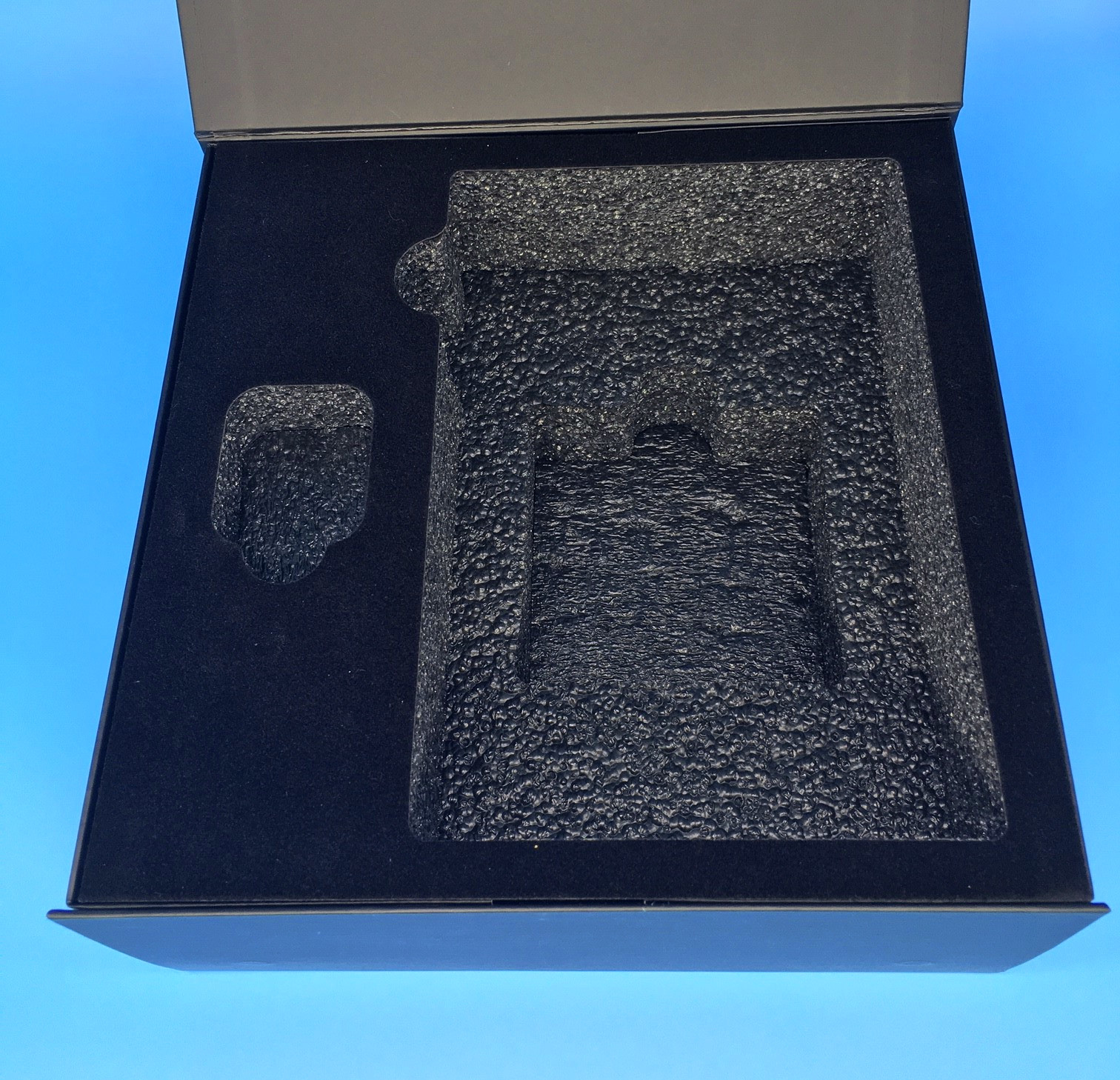
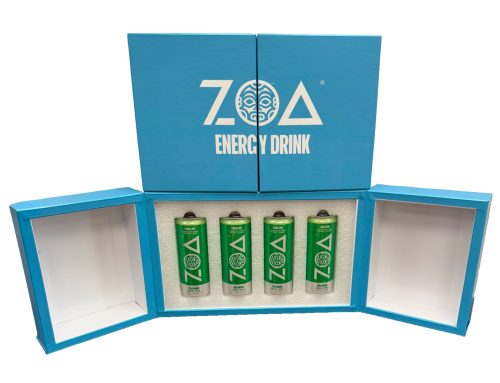
There are quite a variety of foam types and colors to choose from. Some foams are quite dense and rigid, while others are less dense and softer. Depending on the application, foam offer a lot of choices for protection and stylish looks as an insert choice. Foam can be CNC cut from sheets at a relatively low cost for prototype samples, and conventional die cutting is cost effective for production runs. Keep in mind, die cutting foam sheets requires cutting completely through the sheet. In order to get various levels, sheets with different cut-outs can be stacked to the total depth. Although the materials can be a higher cost than paperboard, die cut foam inserts are cost effective for low, medium, and high runs.
If the choice is between foam and board, foam vs corrugated packaging inserts sets the two side by side.
Green Cell Biodegradable Foam Inserts
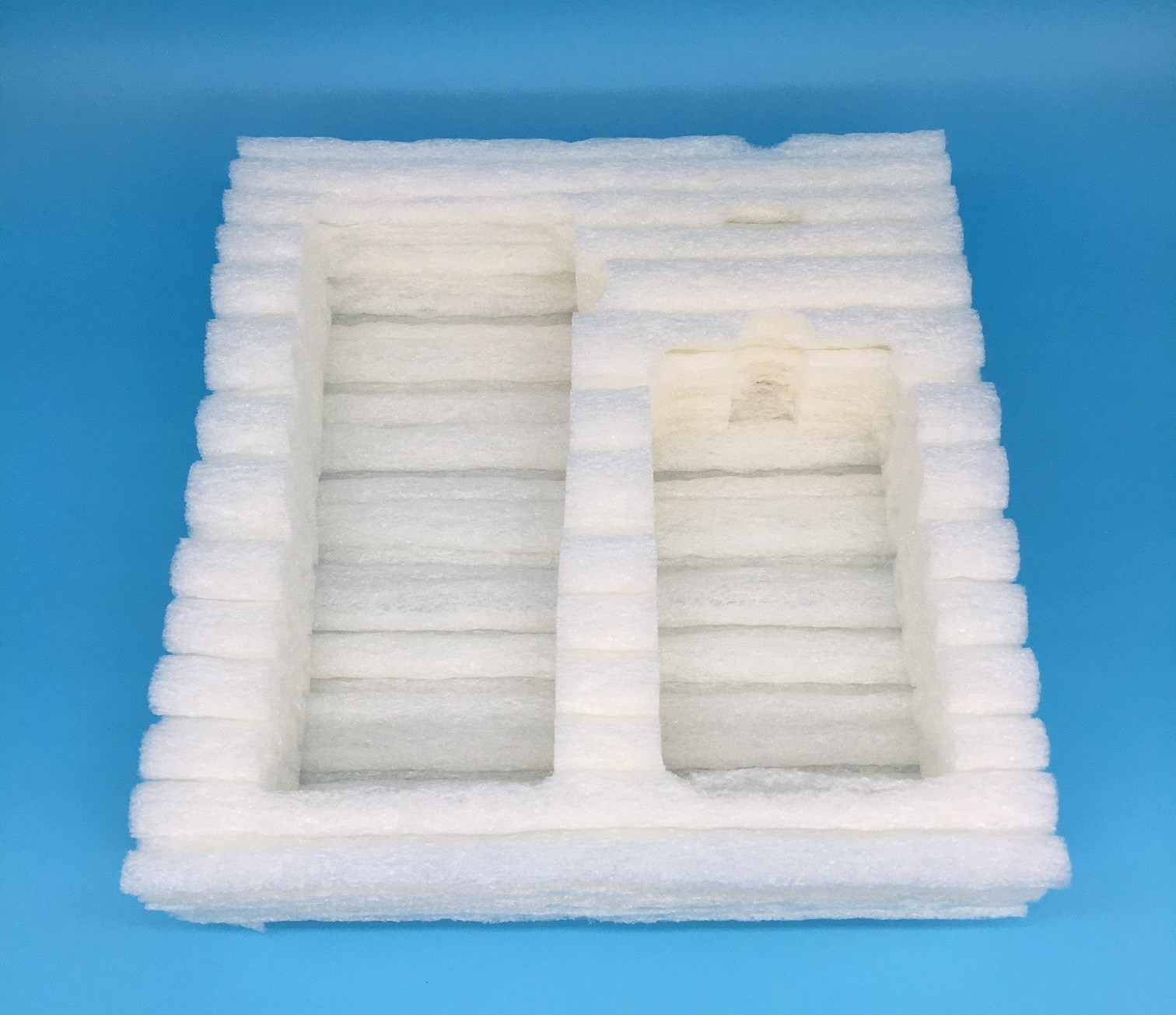
This closed cell foam is made from corn starch, and is both biodegradable and compostable. Inserts made from this material will completely biodegrade in a moist soil environment in 4 weeks time. The foam is made in 1/4″ and 1/2″ thicknesses, and is pleated to form the desired thickness. Various layers then receive cut-outs to fit products, and are ideal for fragile items. Costs for this type of insert are good for medium to high runs. Note that no molds need to be made for their production.
Thermoformed Plastic Inserts
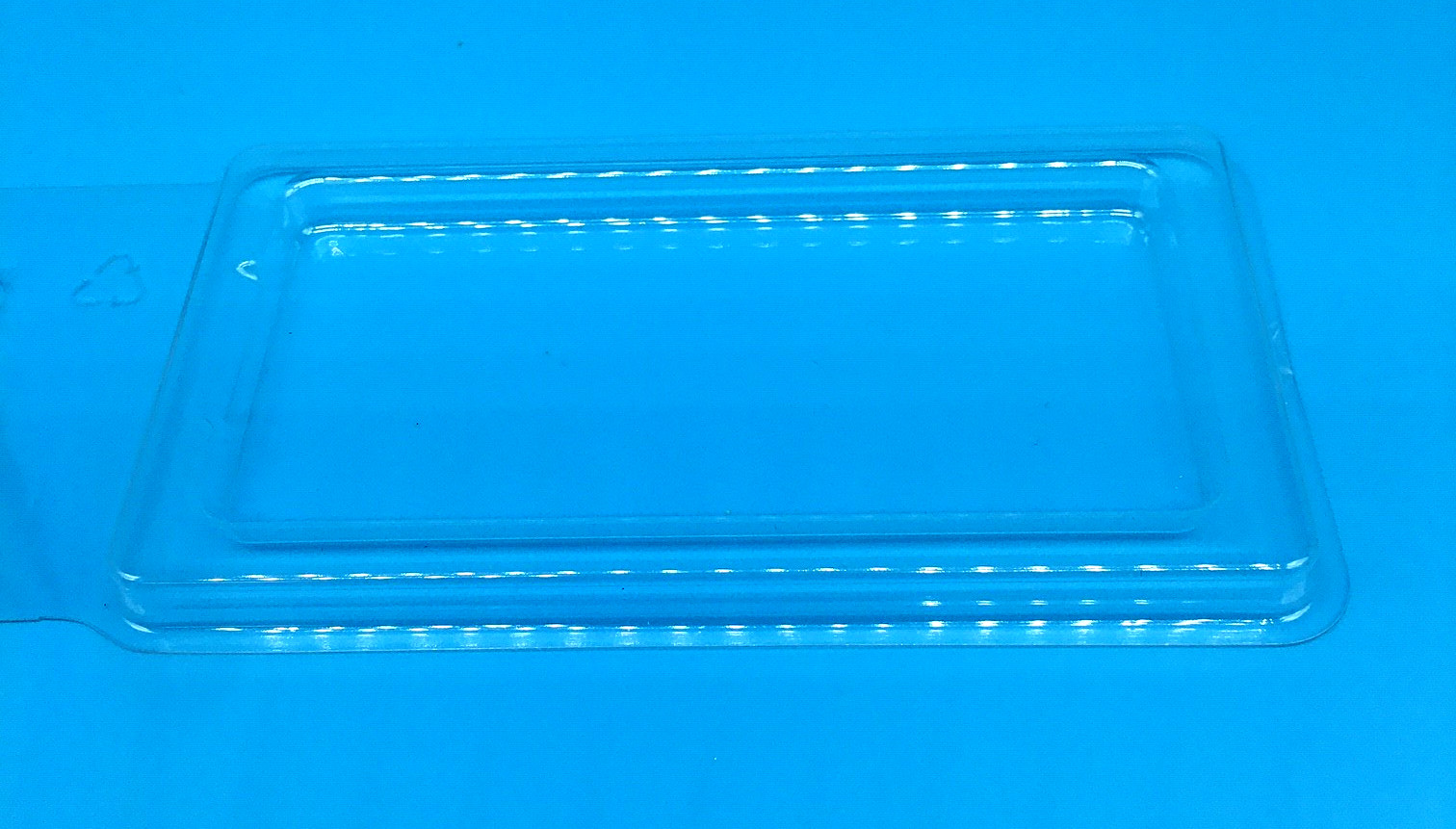
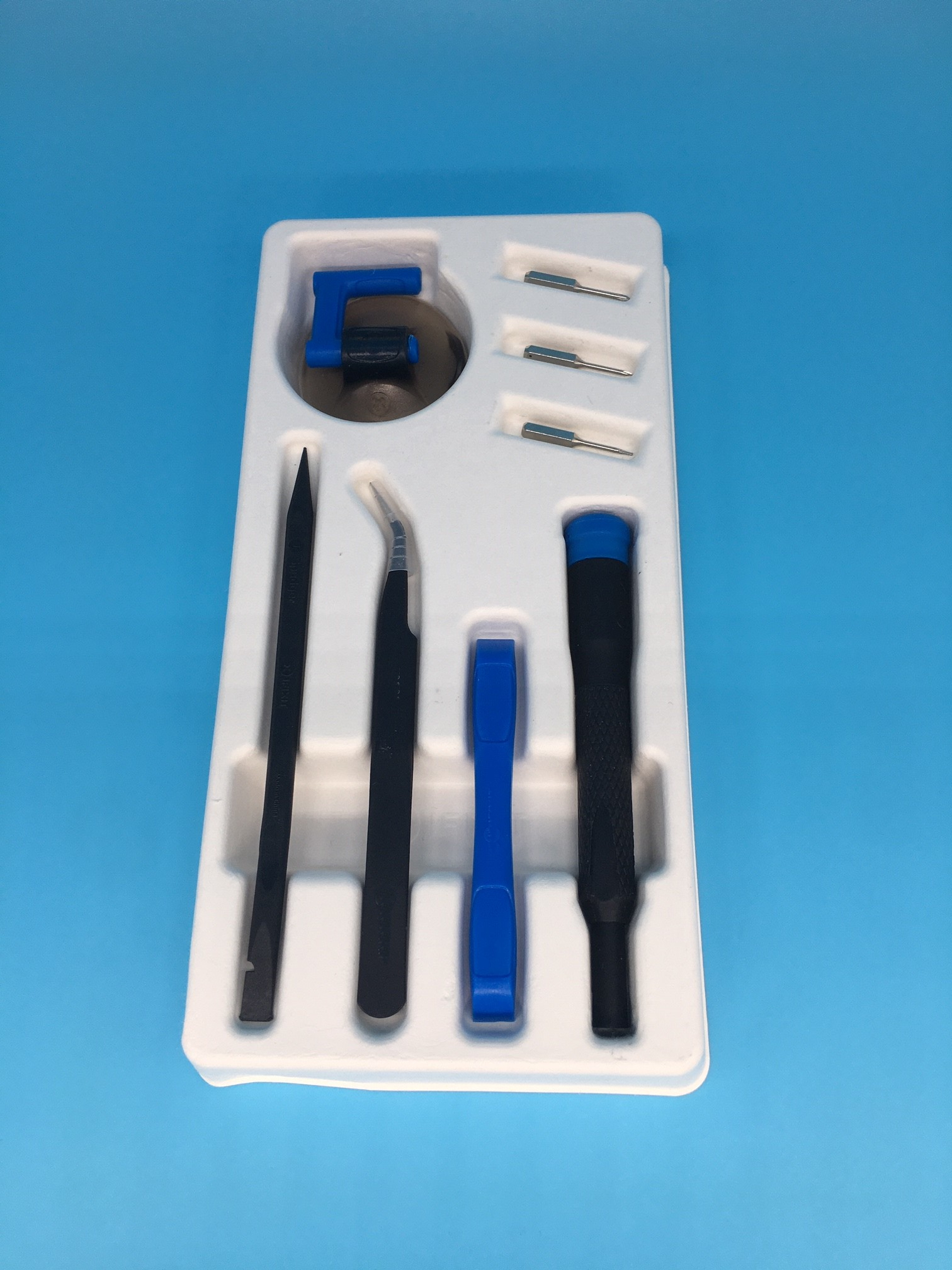
All molded inserts require a 3 dimensional mold in order to form. This combined with the make ready costs to begin molding prohibits their use for very short runs. Once molds are made, and high enough quantities are met to absorb the start up cost, they are cost effective solutions for securing products. Thermoformed inserts are basically a thin sheet of plastic that is heated and drawn down over a mold to conform to it’s shape. Although the insert is still a single sheet of material, it can be intricately designed to close tolerances. They are often made as a single layer tray, clam shell (folded over to protect from top and bottom), or blister, which glues to a backer card in some applications.
Molded Pulp Inserts
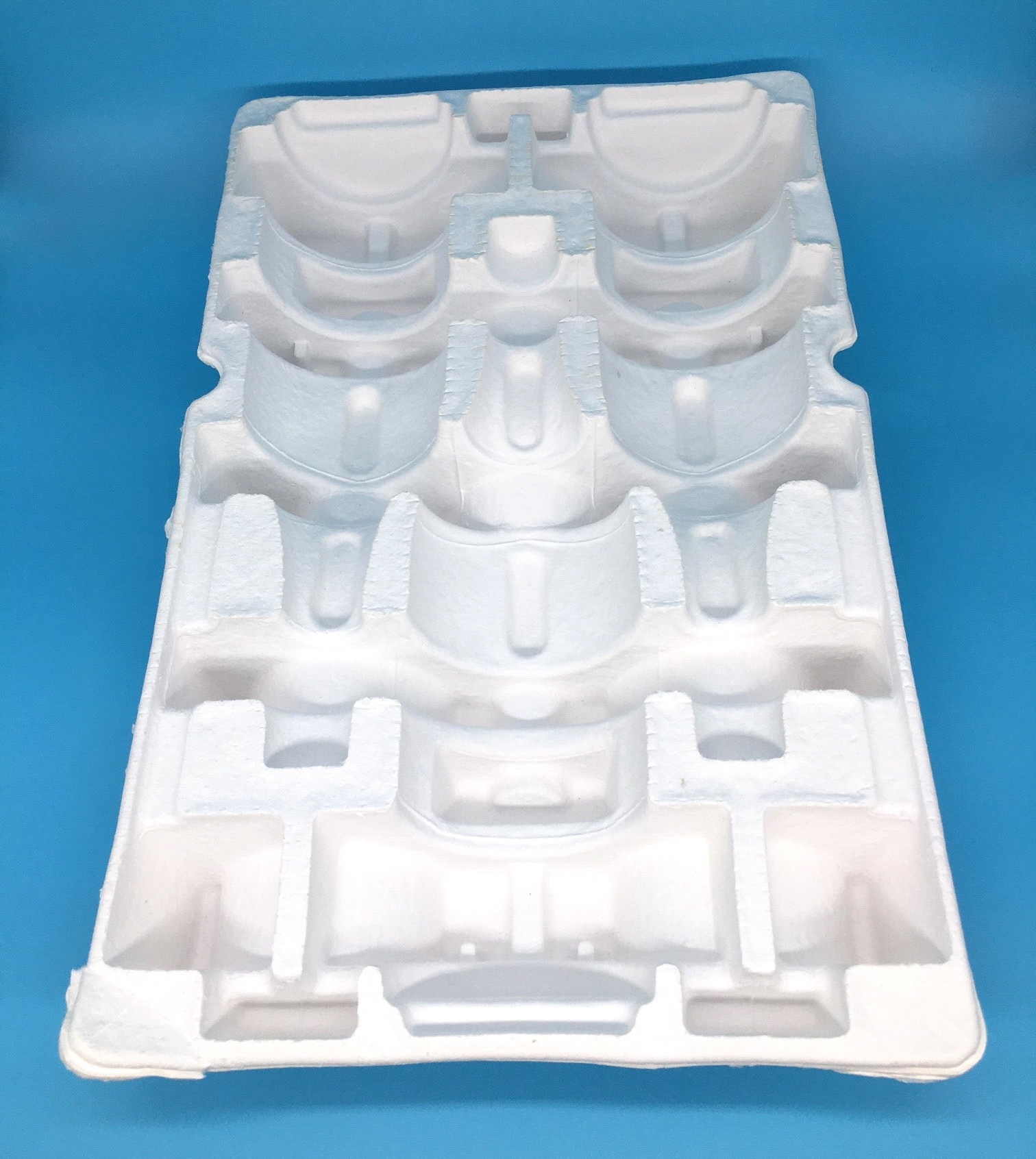
Molded pulp is a recycled paper product. We’ve all seen this type of product used for egg cartons, but it is also very popular for carton and box inserts. Recycled fiber from newspapers, magazines, boxes, and literally any type of waste paper product, are mixed with water, cooked, and churned into a slurry which is molded onto a sculptured form. The forms are made from metal screen, that let’s the water drain away as the fibers set to the molded shape. They are inexpensive to manufacture in large quantities, but like other molded products, the cost of the mold is prohibitive for small quantities.
Molded Styrofoam Inserts
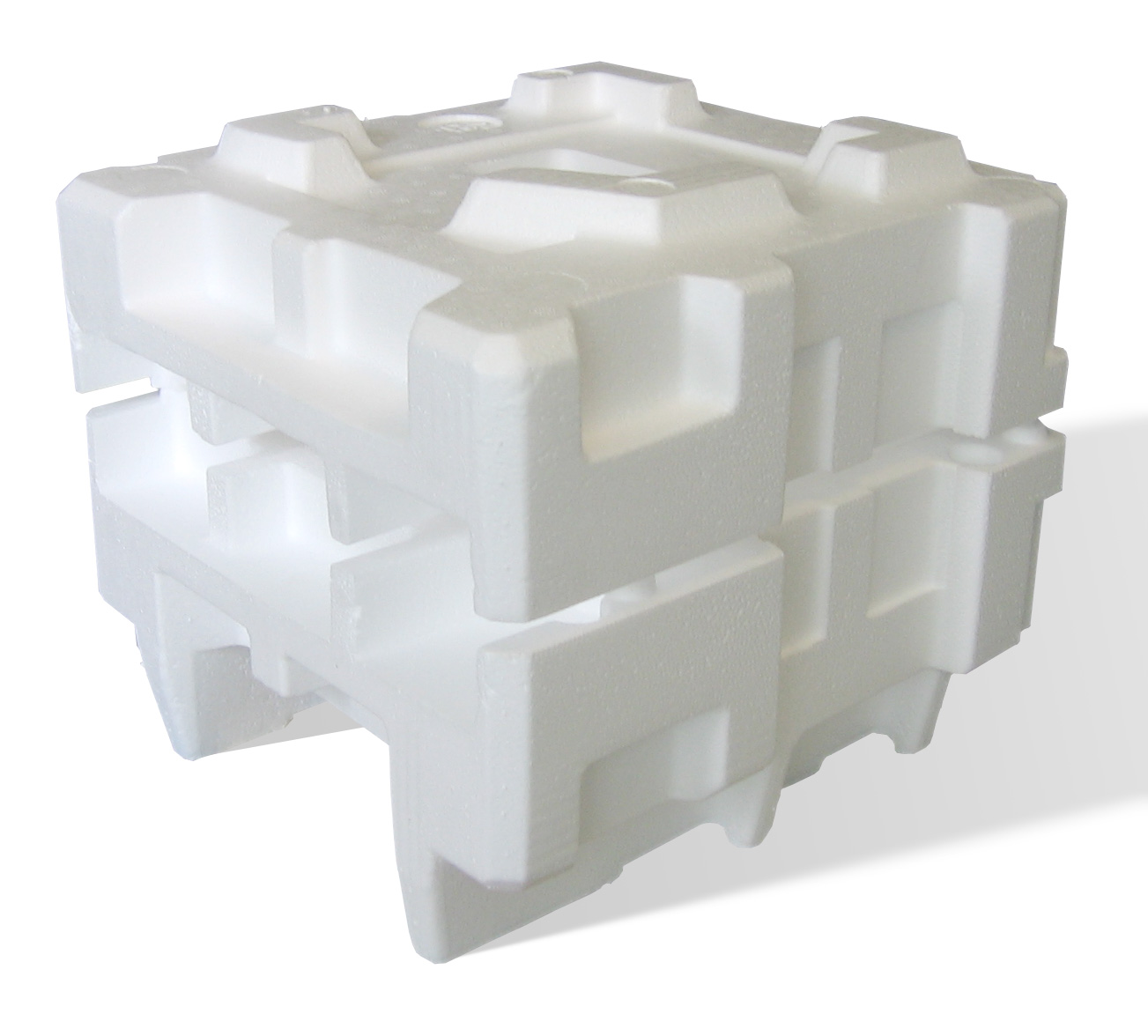
Molded styrene foam (styrofoam) can actually be made from a variety of plastics, but is essentially an expanded plastic foam. Once cured, it can be very durable and provide a high amount of protective cushioning. These type of inserts are light in weight, and often used for expensive electronics. Molded styrofoam inserts can be made to precise dimensions, and are quite often made in two pieces (top and bottom) to secure a product from all sides. They are used to protect small items like glassware, to large items like big screen TV’s. The molds and the set up fees for this type of insert can be costly, and should only be considered for large runs.
Custom Packaging Insert Questions, Answered
What are die cut packaging inserts?
Inserts cut from a flat sheet of material to the shape the product needs. The sheet can be paperboard, corrugated board, acetate or foam. A board insert is cut, scored and folded into a structure that holds the product; a foam insert holds it in a cavity cut to its outline. Because they are cut and not molded, die cut inserts can be made as a single prototype, a short run or a production run.
Are cardboard inserts and corrugated inserts the same thing?
In everyday use, mostly yes. “Cardboard” is used for both paperboard, the solid board that folding cartons are made from, and corrugated board, which has a fluted layer between flat liners. Paperboard suits lighter products and retail cartons. Corrugated is thicker and suits heavier products and shipping boxes. Either can be cut into a custom insert, often from the same material as the box it goes in.
Where can I get custom packaging inserts made?
Create It Packaging designs and cuts custom inserts in foam or board in Lake Zurich, Illinois, together with the box they go in, and ships nationwide. Our structural design team shapes the insert around the product, and fit testing is part of the service.
Can I order custom inserts in a small quantity?
Yes. Board inserts are cut from the dieline on a digital cutting table, and foam can be CNC cut from sheets, so neither needs a die or a mold for a prototype or a short run. Molded inserts (thermoformed plastic, molded pulp and molded styrofoam) are the exception: each needs a mold, which only pays for itself on large runs.
What is the least expensive type of insert?
A die cut board insert, made from paperboard, corrugated or another sheet material, often the same material as the box. Folds and cut shapes let it hold many products securely, and it stays cost effective at low, medium and high quantities.
Which insert is best for fragile or premium products?
Foam. It comes in a range of densities and colors, protects well and looks finished when the box is opened. For deeper products, sheets with different cut-outs are stacked to reach the full depth. That is why foam is a common choice for influencer kits and presentation boxes.
Should I choose foam or corrugated inserts?
Corrugated or paperboard when the product is sturdy, the budget is tight or the pack should recycle with the box; foam when the product is fragile or the opening has to look finished. Foam vs corrugated packaging inserts compares the two on protection, cost, quantity and recycling.
Can the insert be prototyped with the box?
Yes. A prototype can be a complete kit with its inserts, printed and cut together, so you can check the fit and the reveal before ordering a run. The guide to packaging prototypes explains the process and the timing.
What do you need to quote an insert?
The product, or its dimensions and weight, the box it goes in if it already exists, the quantity and the look you want when the box is opened. Request a quote, or read about corrugated boxes and folding cartons if the box is still to be designed.